
Lorton Prison Museum
featuring the Lucy Burns Gallery
91-years of prison history, including events of the women’s suffrage movement
Our History
“A new kind of prison”
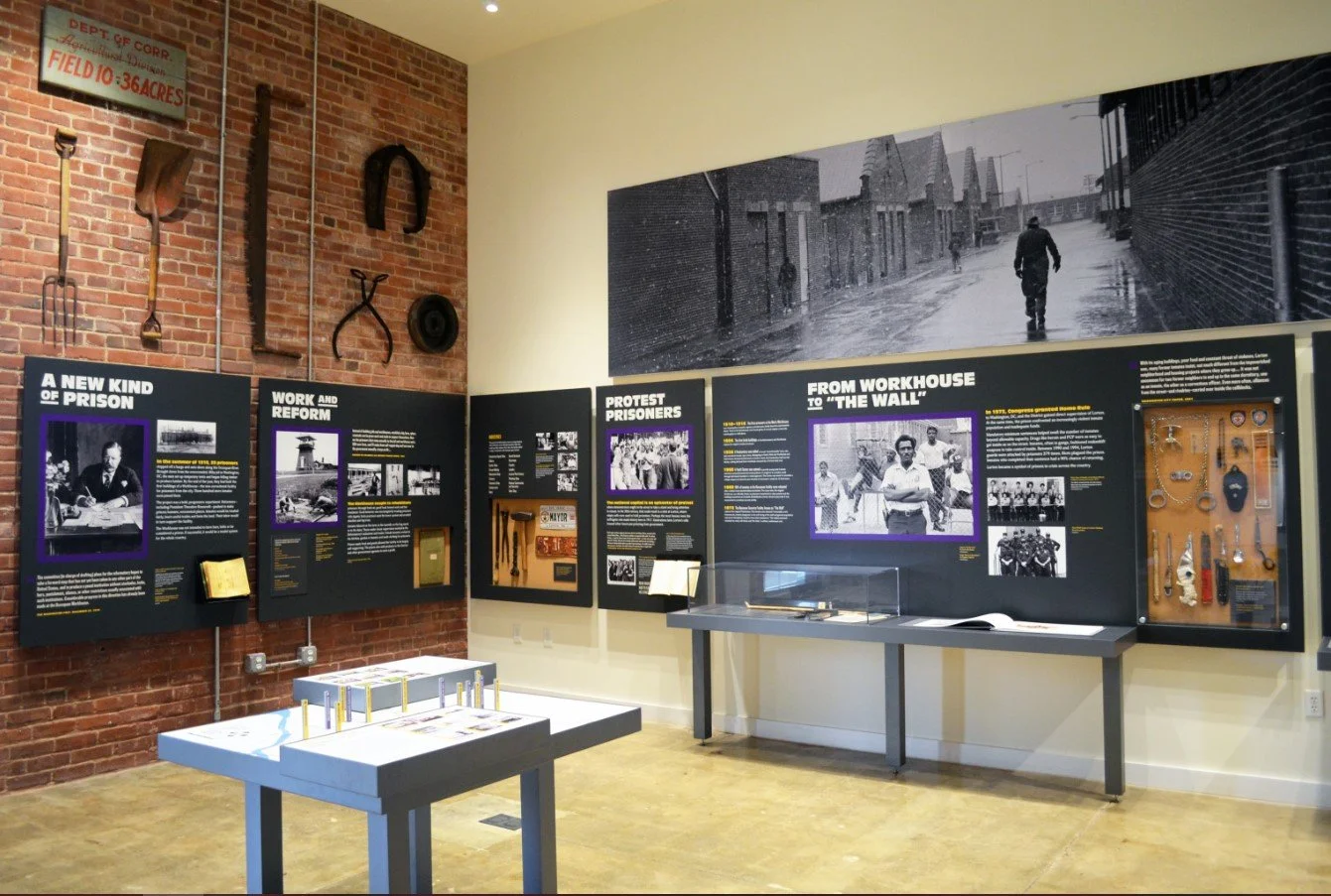
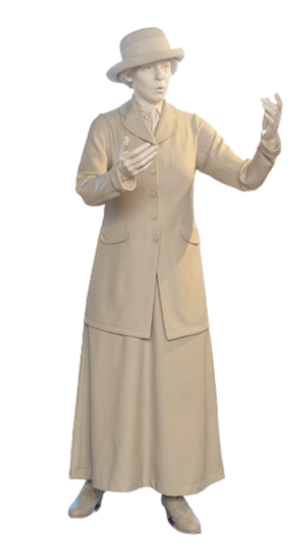
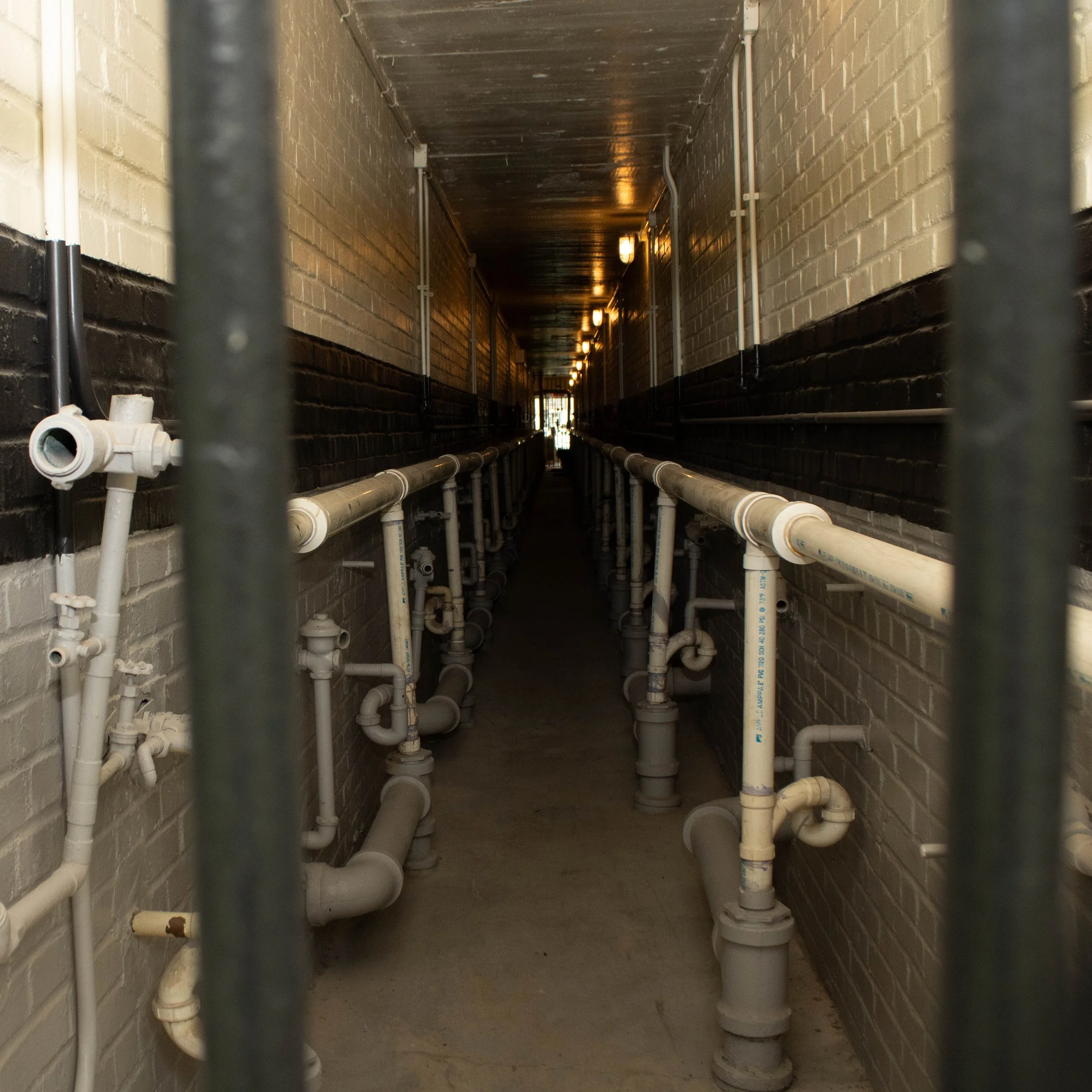
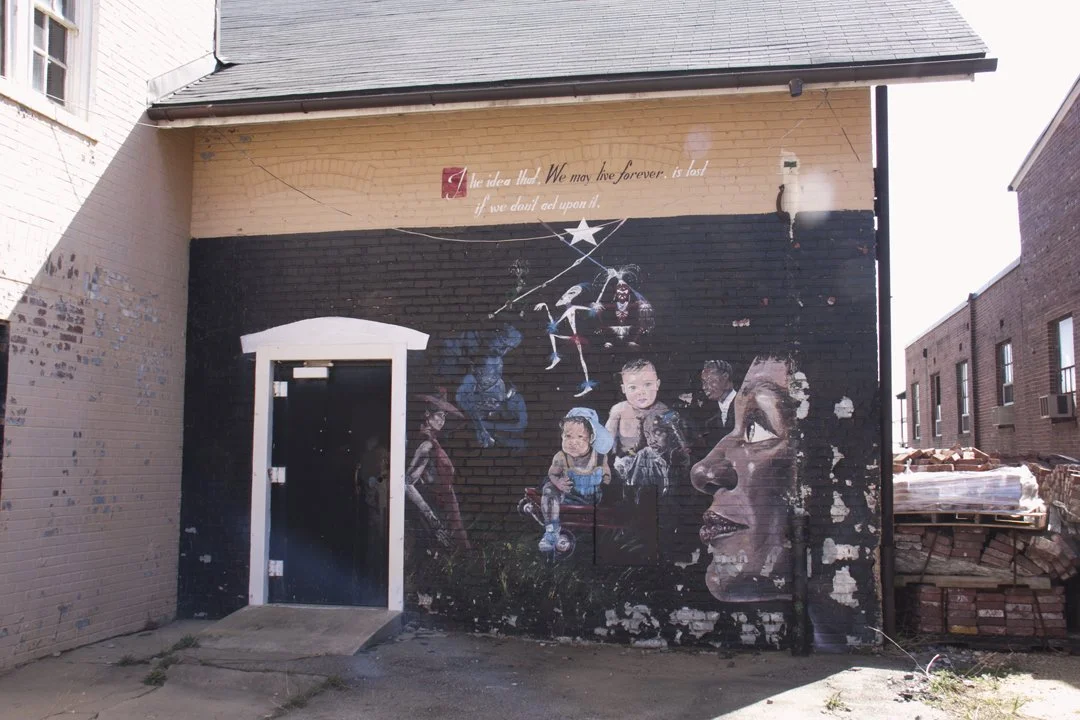
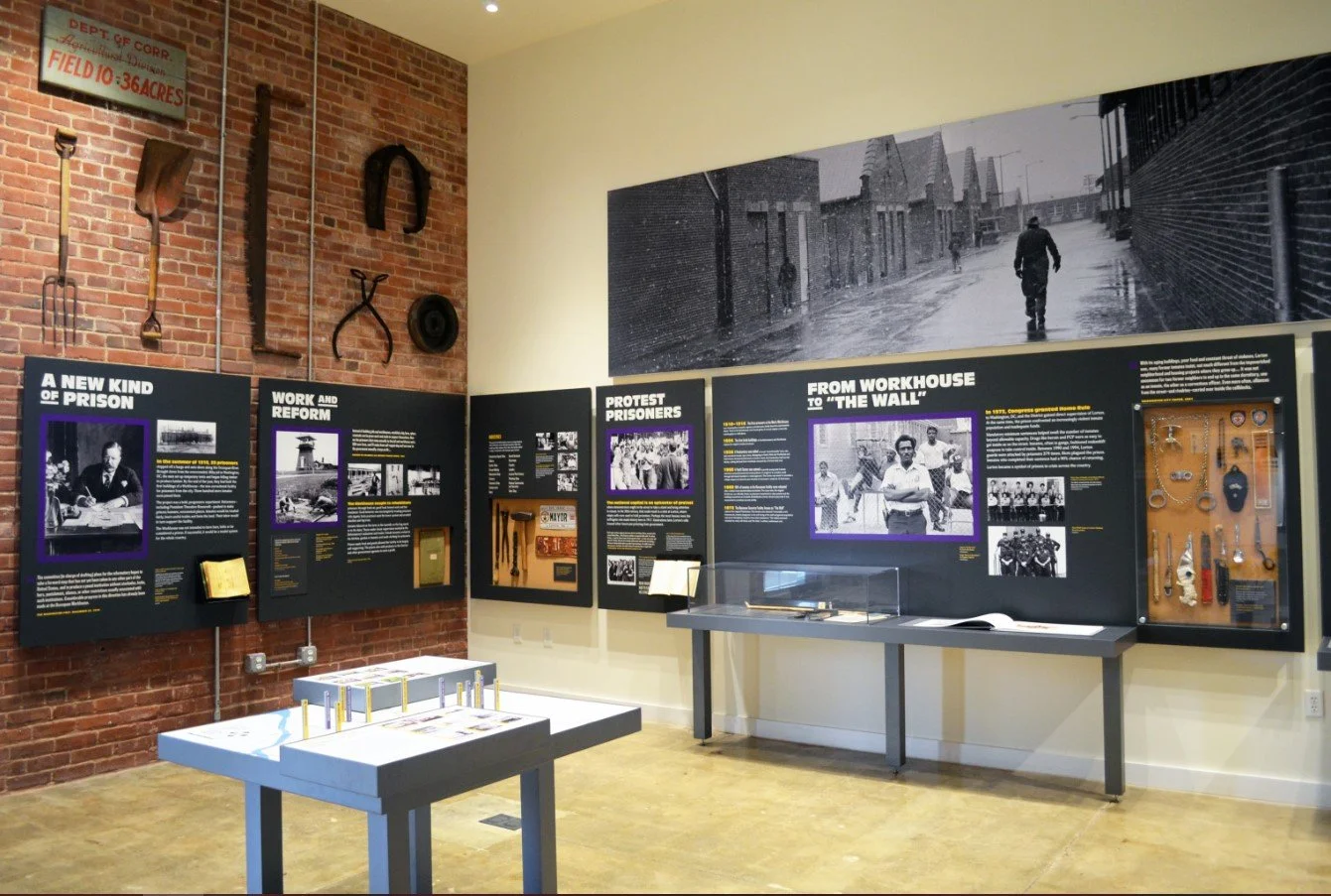
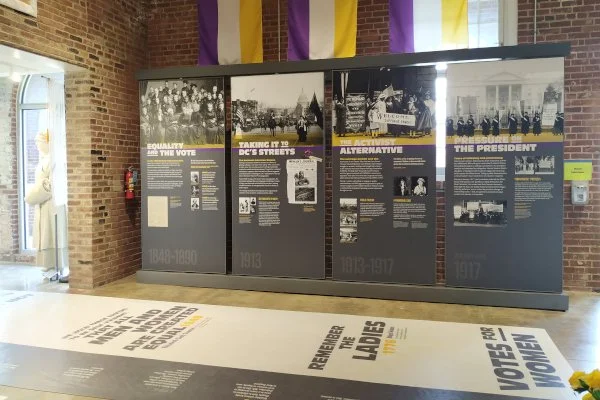
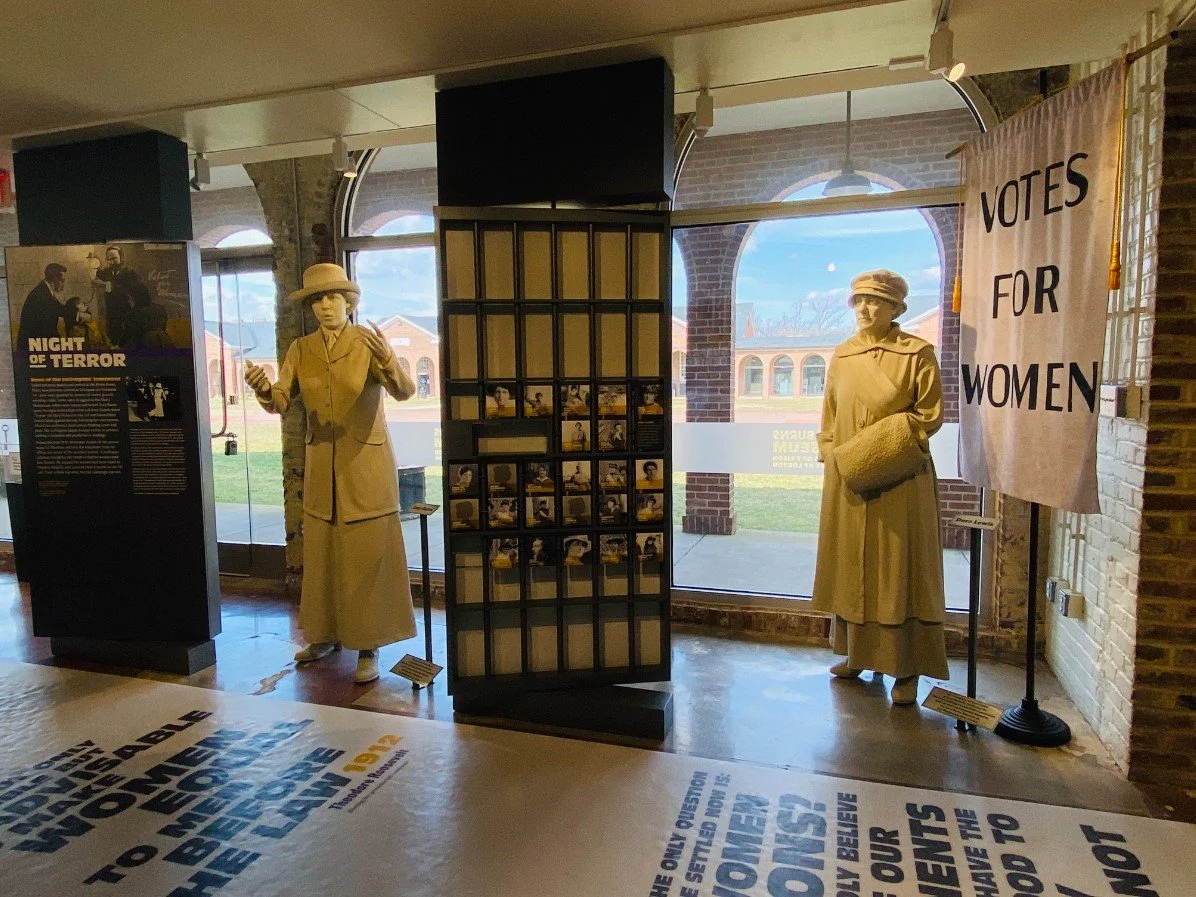
During the early 20th century Progressive Era, officials in the District of Columbia directed the establishment of “a new kind of prison,” an experiment in corrections that was to be humane and economical. More than 2,000 acres of Fairfax County farmland near the Occoquan River community of Lorton became the “Workhouse,” an institution without fences, bars, guard towers or cellblocks. Prisoners were to be treated fairly, learn useful trades and make the facility self-supporting. Through 91 years as the District’s correctional facility (1910-1998), the Workhouse gained early visibility by holding suffragist Lucy Burns, Dora Lewis and dozens more. The treatment of the suffragists while at the Occoquan Workhouse in 1917 would play a pivotal role in the fight to pass the 19th Amendment.
Over many decades, thousands of persons convicted in District courts spent time or perhaps the rest of their lives inside. Occasionally, newsmakers were part of the population, including Watergate conspirator G. Gordon Liddy, the Godfather of D.C. Go-Go music Chuck Brown and political activist Norman Mailer.
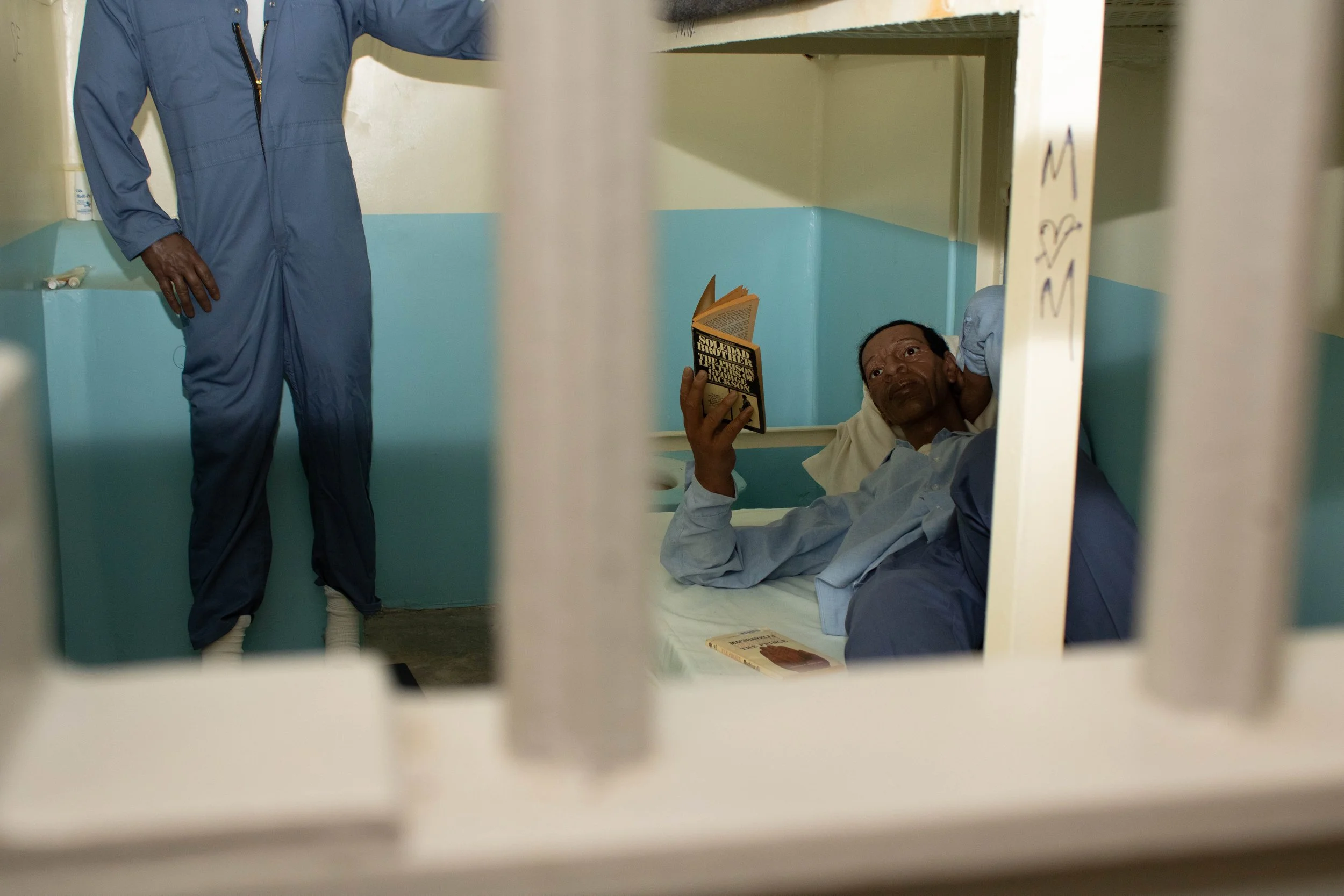
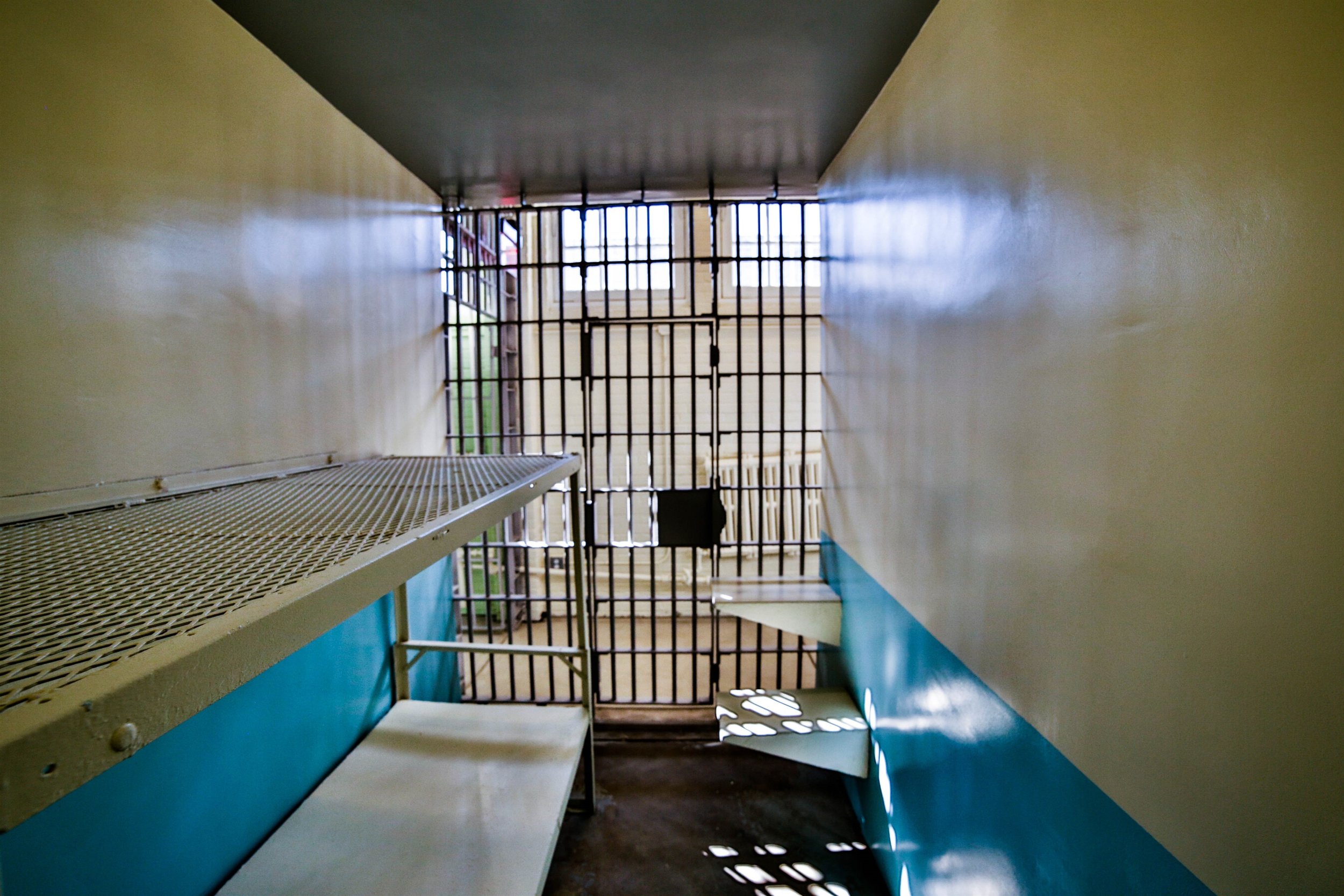
The facility evolved from one of Progressive Era reform to an overcrowded prison of guard towers, bars, and cellblocks. It became riddled with the problems facing the modern criminal justice system. After years of escapes, riots, and fires, the prison closed to newcomers in 1998. The last prisoners were shipped out in 2001. The federal government sold 2,000 acres to Fairfax County a few years later, with 55 acres becoming the Workhouse Arts Center in 2008.
-

Programs
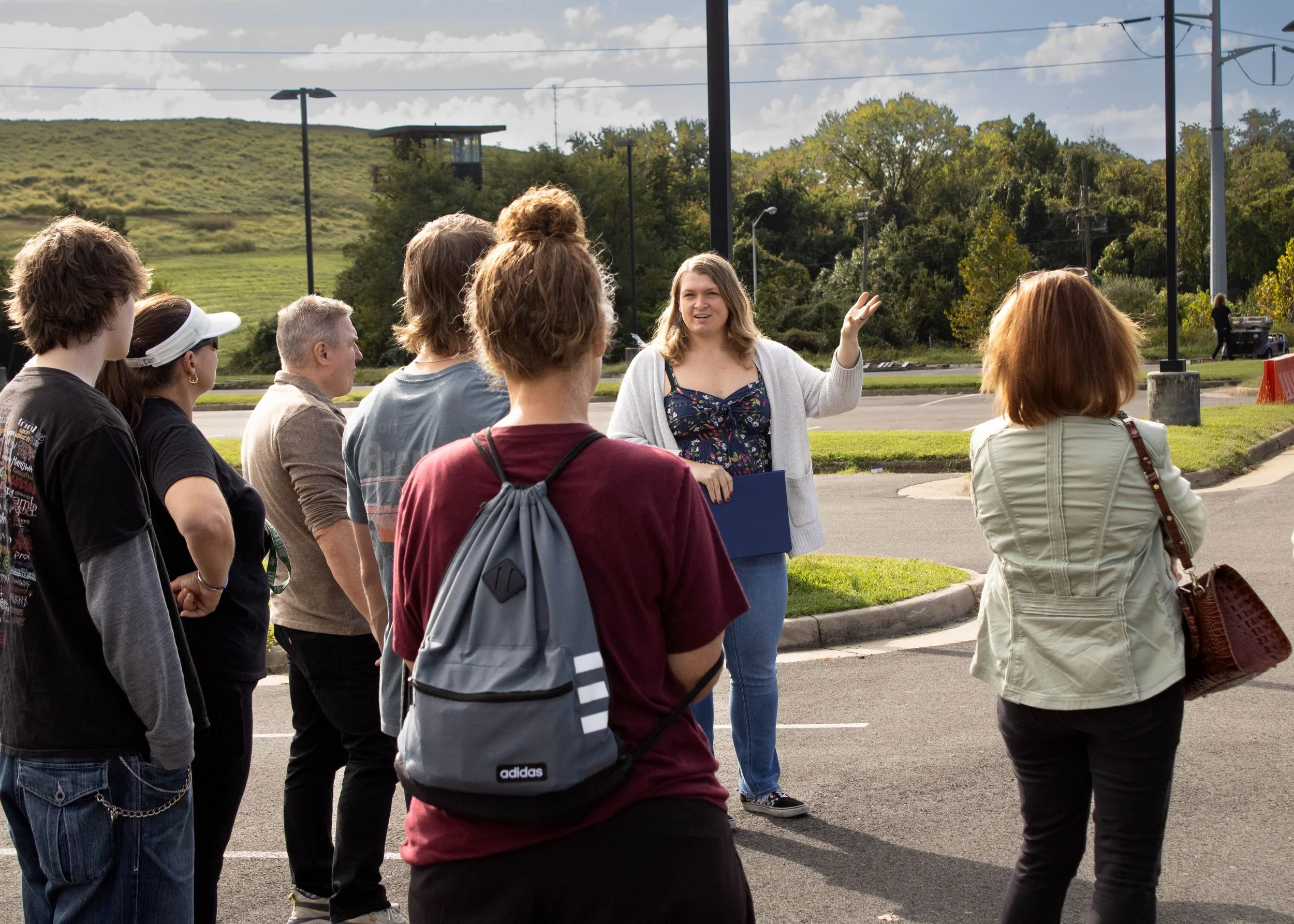
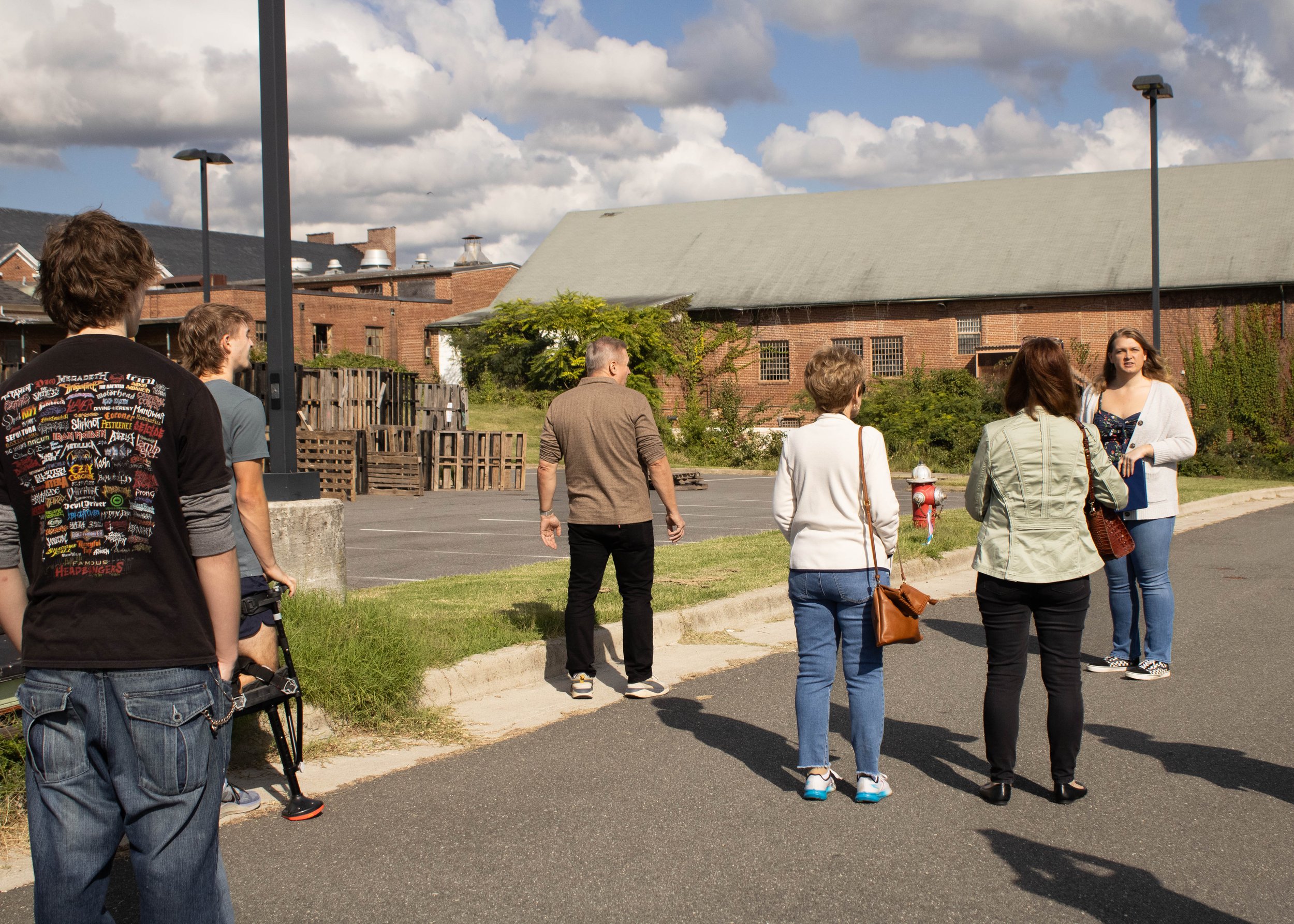
Discover our full range of educational programs, upcoming events, and guided tour opportunities.
-

Collections
Explore our growing collections through detailed catalog records and powerful oral histories that preserve community voices.
-

Exhibitions
Journey through our exhibitions—present and past—and enjoy visual highlights from our photo and video gallery.
-

Education & Resources
Engage with our collection of lesson plans, guided tours, historical resources, and interactive activities for learners of all ages.
Become a
Docent
If you enjoy teaching, storytelling, and connecting with visitors, our docent program welcomes you.