
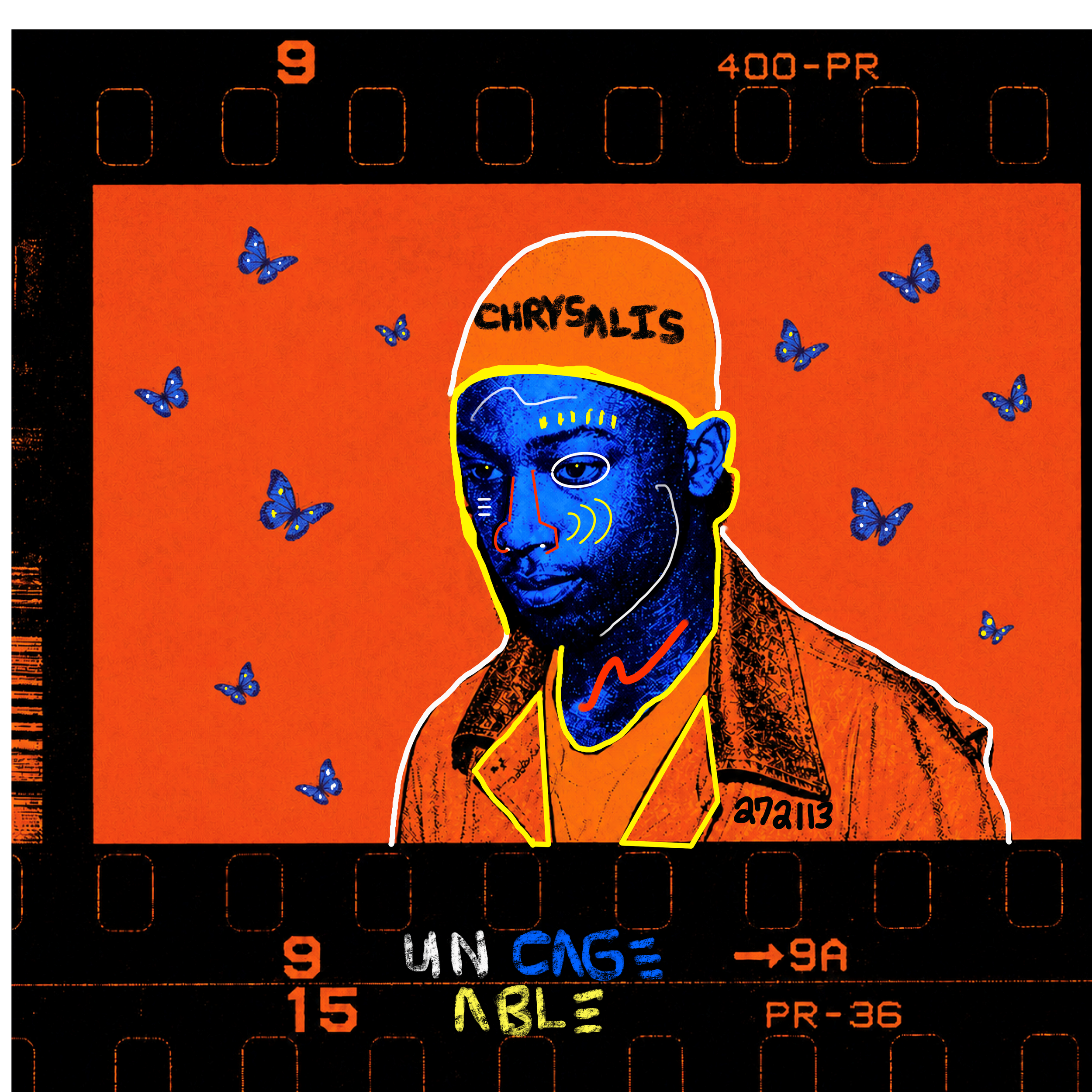
HOW TO CAGE A BUTTERFLY
by Halim A. Flowers
On view: May 30 - August 8
Reception: July 11, 6-8pm
Muse Gallery
W-16, 1st floor
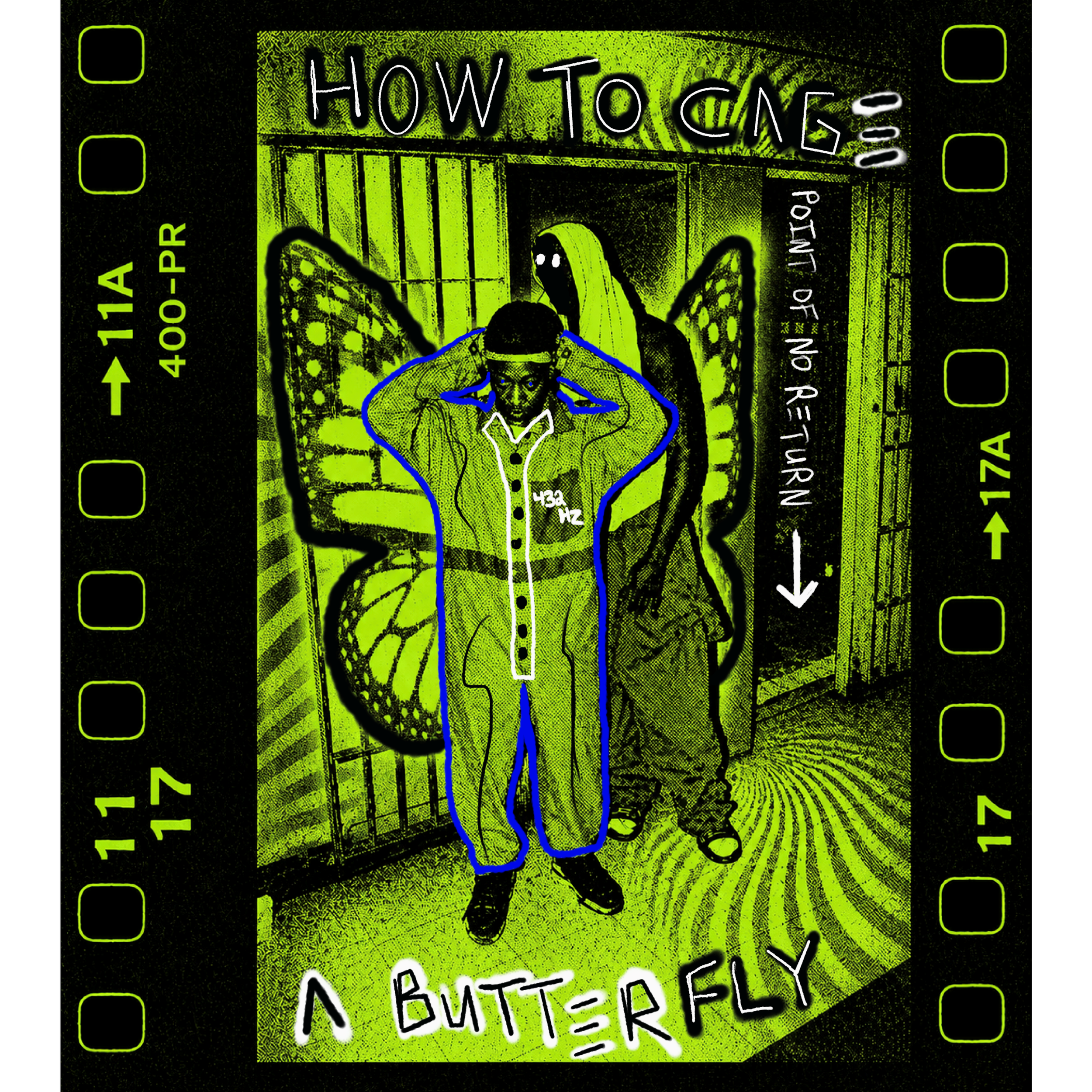
How To Cage A Butterfly is an exploration of transformation, memory, and the human capacity to evolve beyond imposed identity.
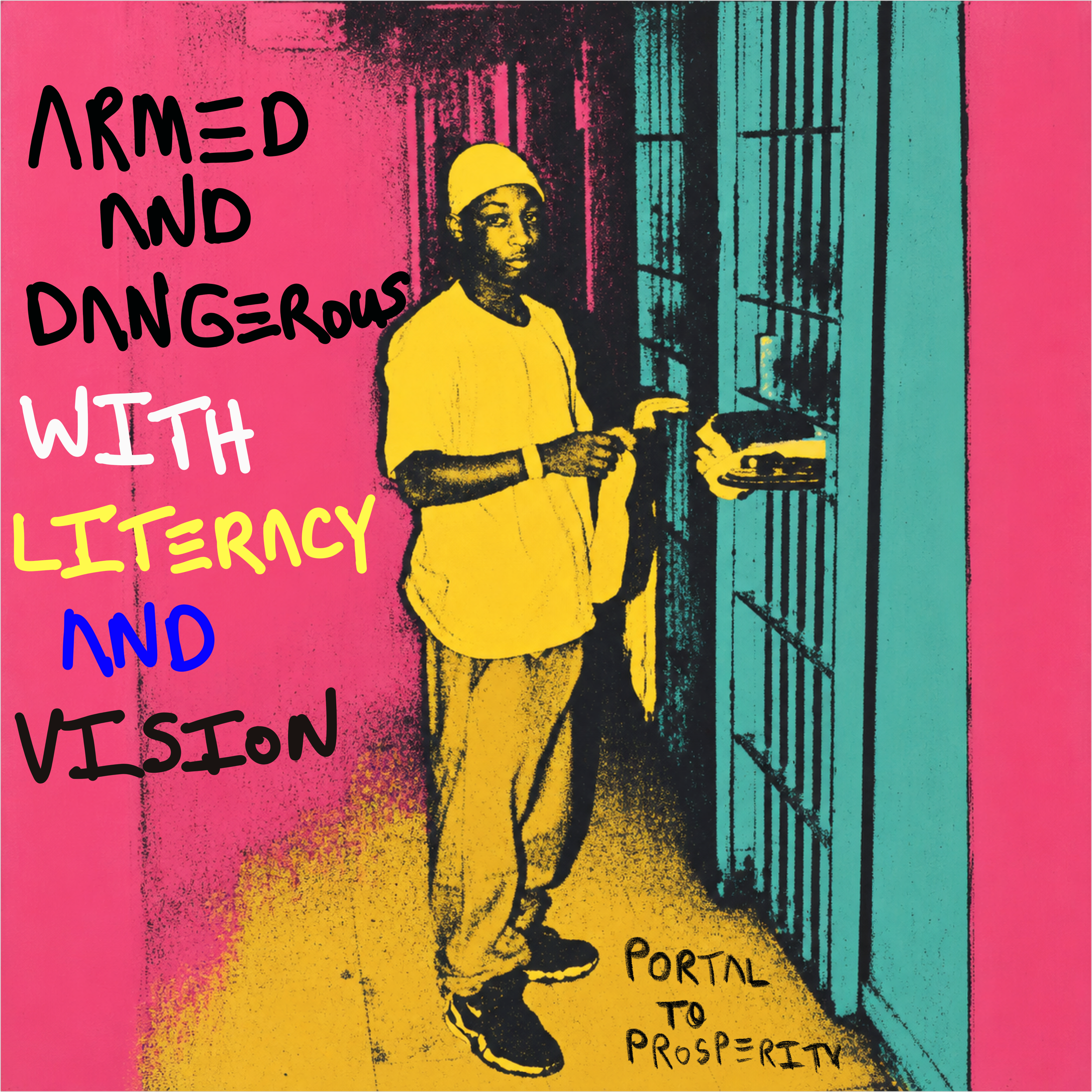
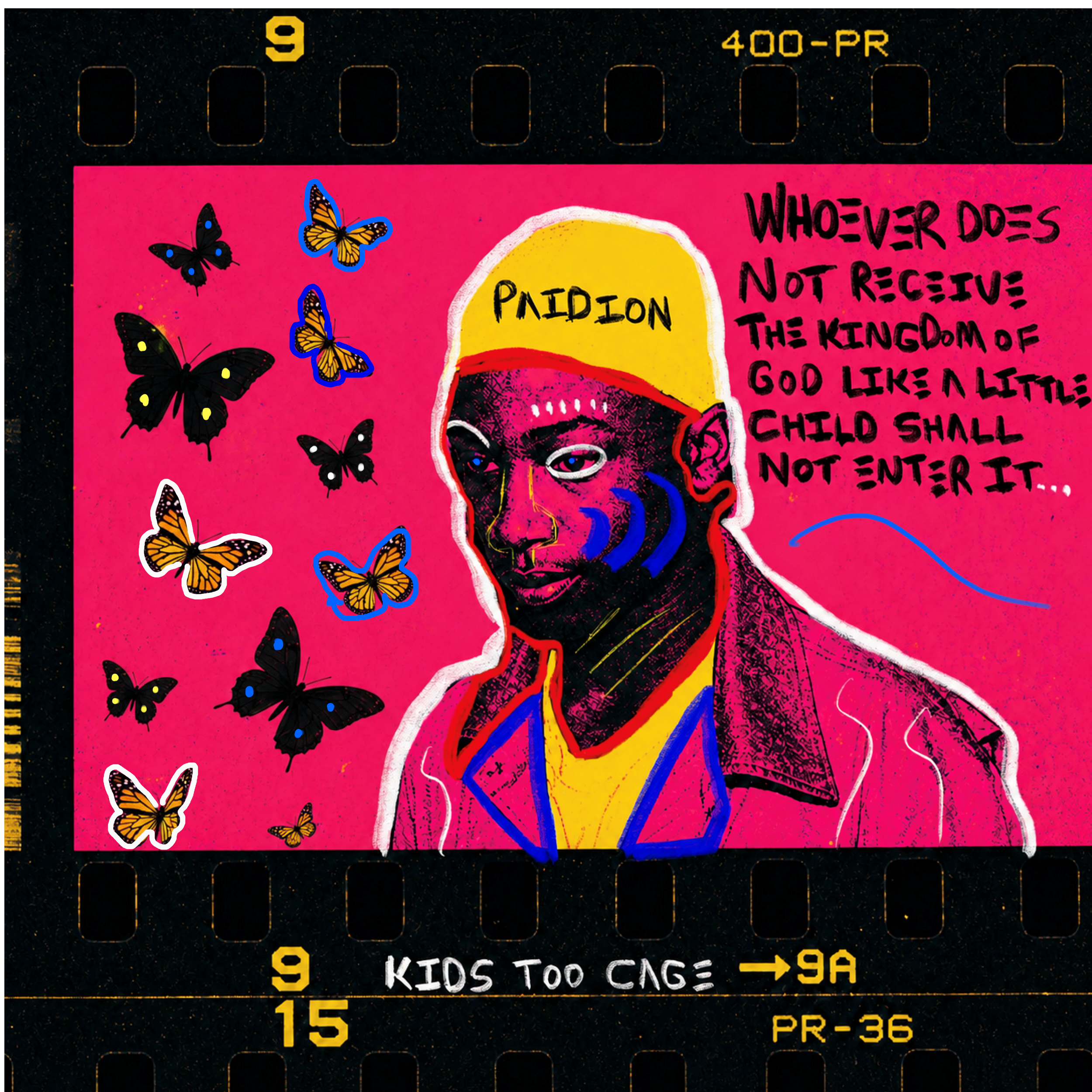
At the age of sixteen, Halim A. Flowers was sentenced under DC Criminal Code Title 16 to two adult life sentences. In that moment, he was defined by society through the language of fear — labeled a “superpredator,” a menace, and a permanent threat. These works draw from archival images captured during that period, including stills from the Emmy Award-winning documentary Thug Life in DC, in which Flowers appears as a young person navigating the early stages of incarceration. The artist repurposes these images into one-of-one hand embellished inkjet prints to convey his visual language of transcendence.
This exhibition recontextualizes those images — not as evidence of finality, but as documentation of a beginning.
The prison, often understood as a site of containment, becomes here a space of transformation. Like the chrysalis stage of a butterfly, confinement functioned as an incubator. Within the stillness and restriction of the cell, a process of internal reconstruction unfolded —one that parallels spiritual traditions, including the disciplined introspection found in monastic Buddhist practice. What was intended as permanent captivity became a passage toward self-realization.
The butterfly emerges as a central metaphor throughout the exhibition. It represents not fragility, but evolution — the ability to transmute identity, to move from one state of being into another. The act of “caging” such a being becomes inherently paradoxical: how does one contain something whose essence is transformation?
Presenting this work within the former Lorton prison — now Workhouse Arts Center — adds a critical layer of context. The physical site itself mirrors the thesis of the exhibition: a structure once dedicated to confinement now reimagined as a space for creativity, dialogue, and cultural production.
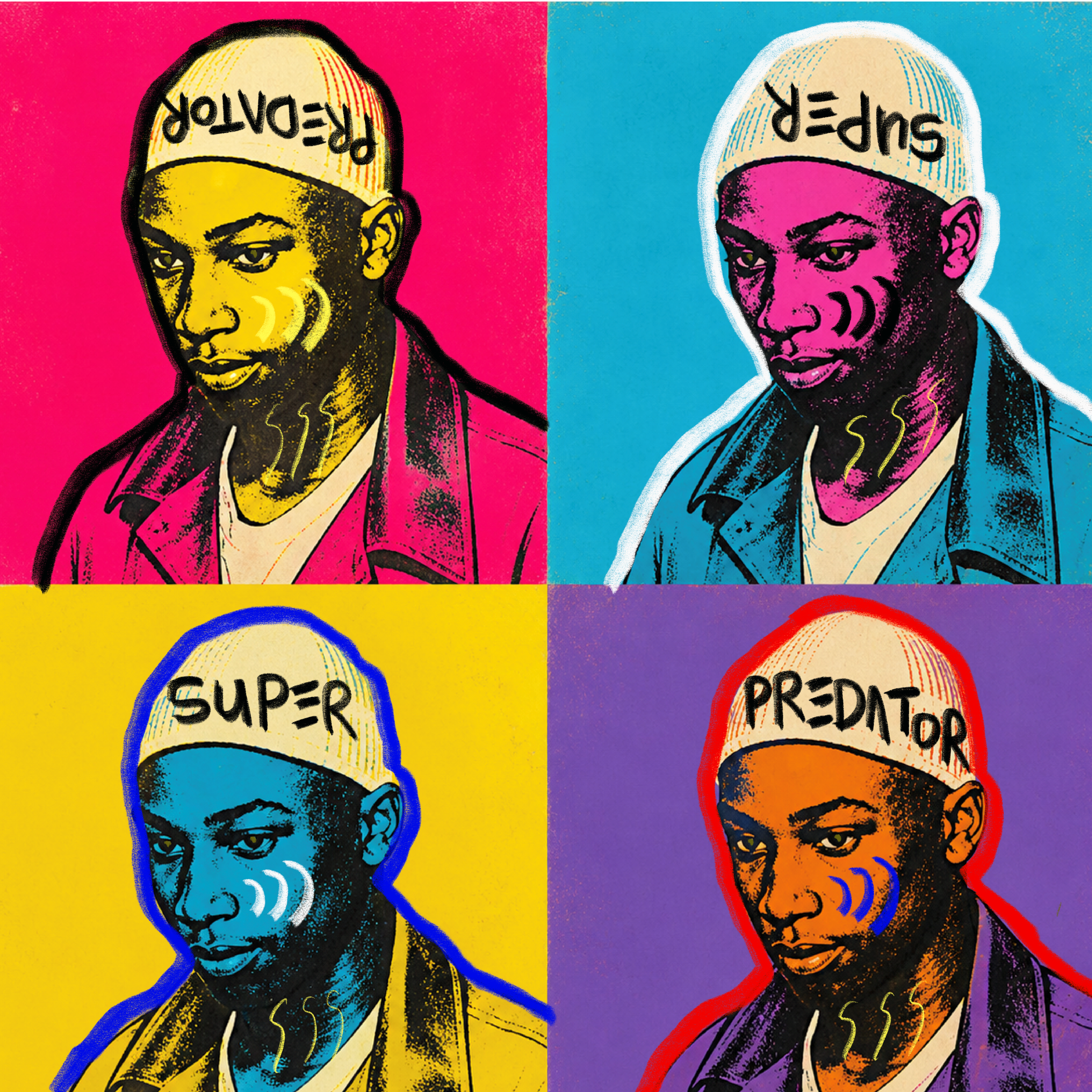
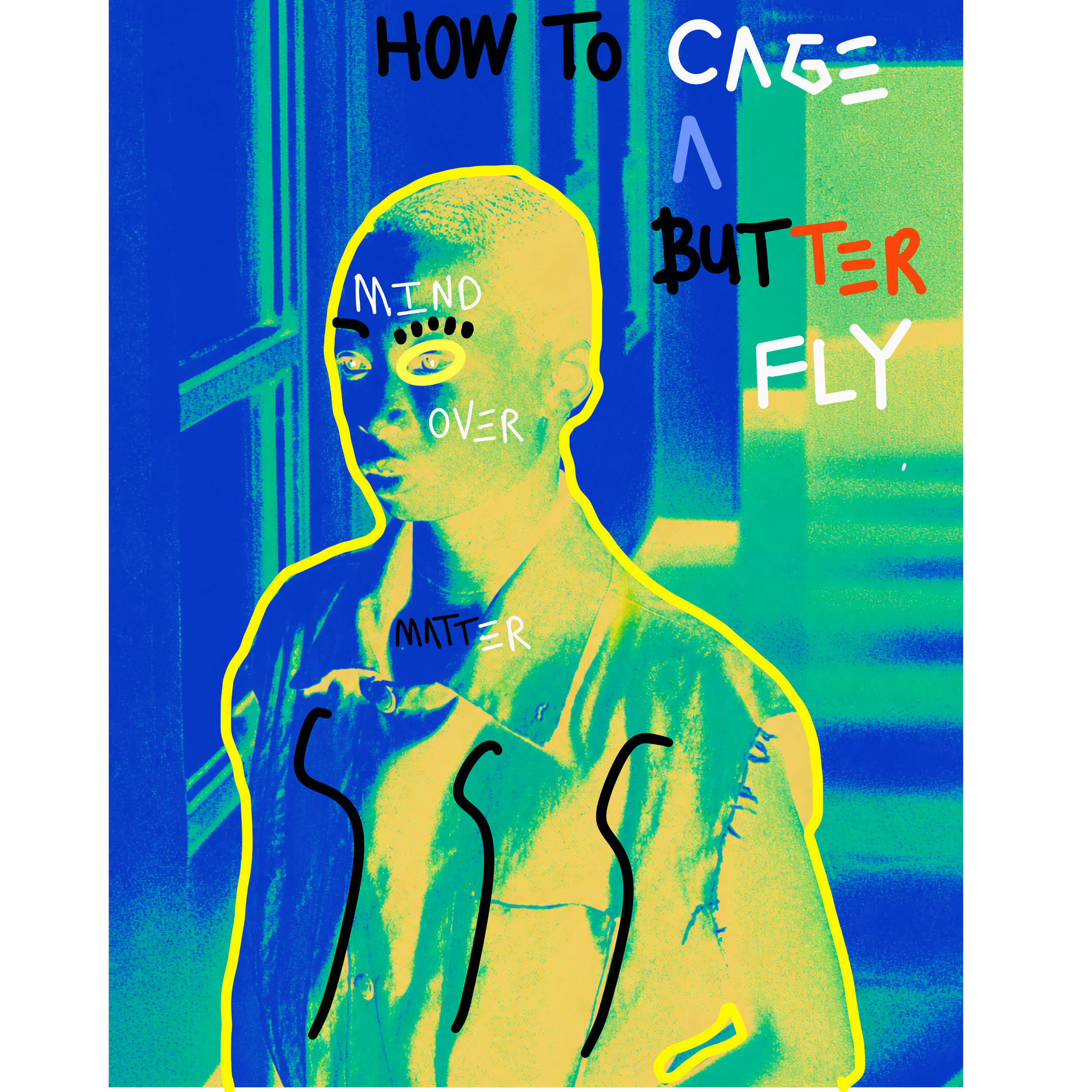
Consider transformation not as an exception, but as inherent potential.
FOR IMMEDIATE RELEASE
July 22, 2026
Workhouse Arts Center Hosts Packed Reception for Halim Flowers' "How to Cage a Butterfly" – An Unforgettable Night of Art and Transformation
LORTON, VA – July 22, 2026 – The Muse Gallery at the Workhouse Arts Center was filled to the brim this past Saturday, July 11, as art lovers, advocates, and community members gathered for the official reception of How to Cage a Butterfly by Halim A. Flowers. The evening transformed the historic former prison into a vibrant hub of dialogue, emotion, and creative energy.
Attendees were deeply moved by Flowers' striking hand-embellished inkjet prints, which repurpose archival images from his early incarceration—including stills from the Emmy Award-winning documentary Thug Life in DC. Sentenced to two adult life sentences at just sixteen and labeled a "superpredator" by society, Flowers uses this exhibit to challenge narratives of finality. The butterfly serves as a powerful central metaphor, illustrating the human capacity to evolve beyond imposed identities. The location—a site that once confined individuals, now a center for artistic expression—made the theme of transformation poignantly tangible for everyone in attendance.
The night also offered a chance to experience reMIXed, a captivating series by Frank E. Ballato III, featuring his skull blOOd, Album I: WHICH-HOWL-EYEBALL collection—a heartfelt homage to his children that blends childlike imagination with profound adult themes.
For those who could not make it, or those wanting to revisit the magic, we have an exclusive treat. Media Moni (@heymediamoni) sat down with Halim Flowers for a compelling two-part interview, diving deep into the experiences that shaped his journey and his artistic practice. Part 1 of the conversation is now available to stream.
Experience the atmosphere and powerful artwork for yourself! Click here to check out images and videos from that night.
Exhibition Details:
· What: How to Cage a Butterfly by Halim A. Flowers
· On View: May 30 – August 8
· Location: Muse Gallery, W-16, 1st Floor, Workhouse Arts Center
· Admission: Free
Don't miss your chance to see this thought-provoking exhibit before it closes on August 8
Media Contact: Carla Welborn carlawelborn@workhousearts.org